Introduction
Not all pregnancies follow the same path. While many progress smoothly, some require closer monitoring due to certain health conditions or complications.
The useful question is not Is my pregnancy normal? The useful question is: if there is a risk, how can it be managed safely and effectively?
Understanding high-risk pregnancy helps parents stay prepared and confident, even when extra care is needed.
What is a High-Risk Pregnancy
A pregnancy is considered high-risk when there are factors that may affect the health of the mother, the baby, or both.
This does not mean something is wrong—it means extra attention is required.
Common Reasons for High-Risk Pregnancy
Some conditions that may lead to high-risk pregnancy include:
- High blood pressure
- Diabetes during pregnancy
- Previous pregnancy complications
- Multiple pregnancies (twins or more)
- Age-related factors
- Baby’s growth concerns
Each situation requires careful monitoring.
Role of Fetal Medicine in High-Risk Cases
Fetal medicine focuses on managing such pregnancies with advanced care.
It includes:
- Detailed and frequent scans
- Monitoring baby’s development
- Identifying complications early
- Planning safe delivery
This specialized approach improves outcomes.
How Complications Are Monitored
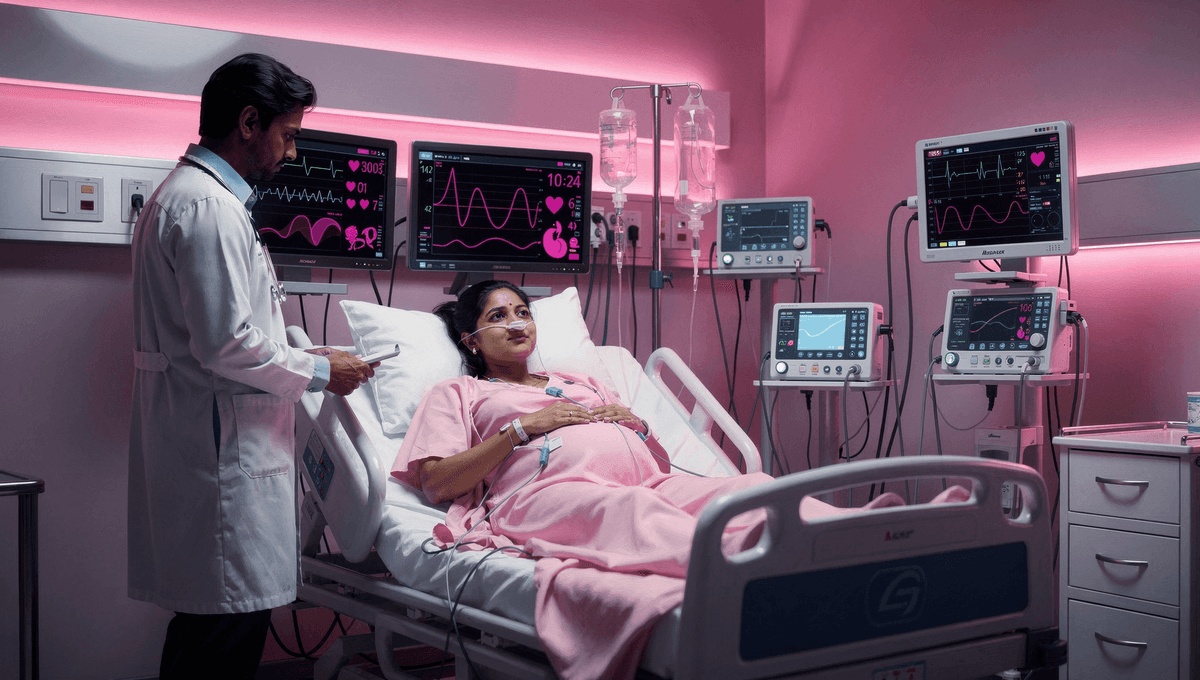
Doctors closely observe:
- Baby’s growth and movement
- Blood flow through the placenta
- Amniotic fluid levels
- Mother’s health parameters
Regular monitoring helps detect changes quickly.
Importance of Regular Follow-Ups
In high-risk pregnancies, follow-ups are more frequent.
This helps to:
- Track progress continuously
- Adjust treatment if needed
- Prevent complications
Consistency in visits is very important.
Treatment and Management
Management depends on the condition and may include:
- Medications
- Lifestyle modifications
- Bed rest (in some cases)
- Planned delivery strategies
The goal is to maintain stability until safe delivery.
Warning Signs That Need Attention
Immediate medical care is needed if there are:
- Reduced baby movements
- Severe abdominal pain
- Bleeding
- Sudden swelling or headaches
Early action is critical in such situations.
Emotional Challenges in High-Risk Pregnancy
Being told that a pregnancy is high-risk can be stressful.
Parents may feel:
- Fear and anxiety
- Uncertainty about outcomes
- Emotional pressure
Support and clear communication help manage these feelings.
Common Misconceptions
High-risk pregnancy means complications are certain.
Many high-risk pregnancies result in healthy outcomes.
Normal delivery is not possible.
Delivery type depends on individual conditions.
Extra care means something is seriously wrong.
It simply means closer monitoring for safety.
Importance of Timely Planning
With proper monitoring and planning:
- Risks can be controlled
- Delivery can be managed safely
- Outcomes can be improved significantly
Preparation is key in high-risk situations.
Conclusion
A high-risk pregnancy requires careful monitoring, but it does not mean a negative outcome. With advancements in fetal medicine and regular follow-ups, many potential complications can be identified early and managed effectively.
Understanding the need for extra care helps parents stay calm and cooperative throughout the process. Rather than fearing the term high-risk, it is important to focus on the support, monitoring, and medical expertise available.
With proper guidance, timely intervention, and consistent care, even high-risk pregnancies can lead to safe delivery and healthy outcomes for both mother and baby.