
Introduction
Surgery can be a stressful thought for many women, especially when it involves reproductive organs. However, medical advancements have significantly improved how these procedures are performed.
The useful question is not Is surgery risky? The useful question is: are there safer, less invasive methods that reduce pain and recovery time?
Minimally invasive gynecological surgery is one such advancement that has transformed women’s healthcare.
What is Minimally Invasive Surgery
Minimally invasive surgery (MIS) involves performing procedures using small incisions instead of large cuts.
It uses advanced tools such as:
- Laparoscope (a thin tube with a camera)
- Specialized surgical instruments
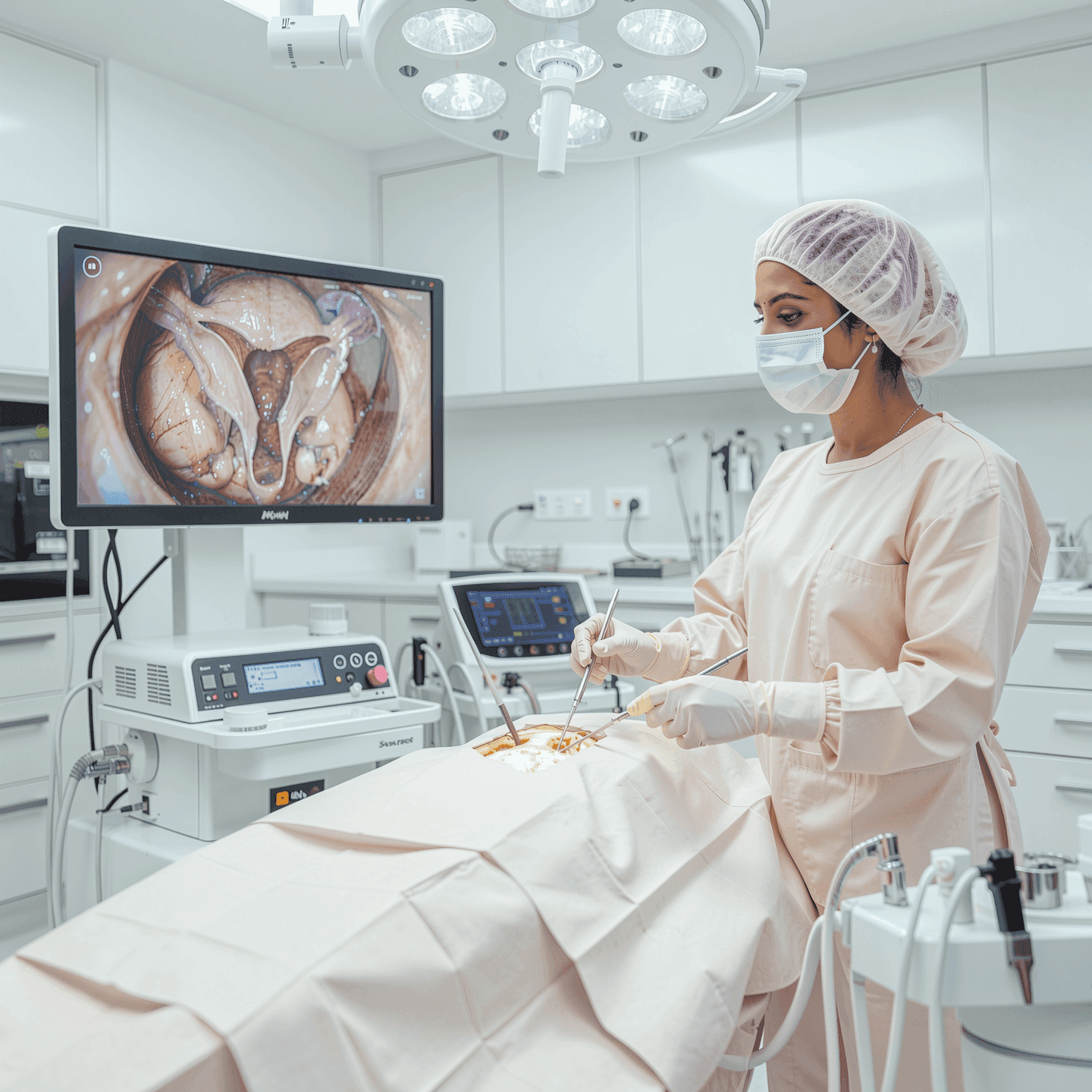
The surgeon views the internal organs on a screen and performs the procedure with precision.
Common Types of Minimally Invasive Procedures
These techniques are used for various gynecological conditions, including:
- Removal of ovarian cysts
- Treatment of fibroids
- Management of endometriosis
- Hysterectomy (removal of uterus)
Each procedure is tailored based on the patient’s condition.
How the Procedure is Done
- Small incisions are made in the abdomen
- A camera is inserted to view internal organs
- Surgical instruments are used to perform the procedure
- Incisions are closed with minimal stitching
The entire process is carefully monitored for safety.
Benefits Compared to Traditional Surgery
Minimally Invasive Surgery:
- Smaller cuts
- Less pain
- Faster recovery
- Reduced hospital stay
- Minimal scarring
Traditional Open Surgery:
- Larger incision
- Longer recovery time
- Higher discomfort
Recovery After Surgery
Recovery is usually quicker with minimally invasive methods.
Most patients experience:
- Less post-operative pain
- Early movement
- Faster return to daily activities
However, recovery still depends on the type of surgery and individual health.
When is Minimally Invasive Surgery Recommended
Doctors may suggest this approach when:
- The condition can be treated without open surgery
- The patient is suitable for laparoscopic procedures
- Faster recovery is beneficial
Not all cases are suitable, and the decision depends on medical evaluation.
Common Misconceptions
Small surgery means less serious.
Even minimally invasive procedures are still major medical interventions.
No risk involved.
All surgeries carry some risk, but MIS reduces many complications.
Recovery is immediate.
Recovery is faster, but proper care is still required.
Role of Skilled Surgeons
The success of minimally invasive surgery depends on:
- Surgeon’s expertise
- Proper equipment
- Hospital facilities
Choosing an experienced medical team is important.
Conclusion
Minimally invasive gynecological surgery has transformed the way many conditions are treated, offering safer procedures with faster recovery and less discomfort. By using advanced technology and precise techniques, these surgeries reduce the physical and emotional burden often associated with traditional operations.
While not suitable for every condition, they provide an excellent option for many women when recommended appropriately. Understanding how these procedures work helps reduce fear and allows patients to make informed decisions.
With proper medical guidance and care, minimally invasive surgery offers an effective and modern approach to women’s health treatment.