
Introduction
Most parents expect to take their baby home soon after delivery. However, in some cases, newborns may need extra medical care immediately after birth. This can be an unexpected and emotional experience.
The useful question is not Why is this happening? The useful question is: what kind of care does the baby need, and how can parents be involved during this time?
Understanding specialized newborn care helps reduce fear and gives parents clarity during a difficult situation.
Why Some Newborns Need Extra Care
Not all babies have the same start. Some may need additional support due to:
- Premature birth
- Low birth weight
- Breathing difficulties
- Infections or medical conditions
These situations require close monitoring and specialized treatment.
What is Specialized Newborn Care
Specialized care focuses on supporting babies who need extra medical attention.
It includes:
- Continuous monitoring of vital signs
- Support for breathing or feeding
- Careful observation for any complications
The goal is to stabilize the baby and support healthy development.
Understanding NICU Support
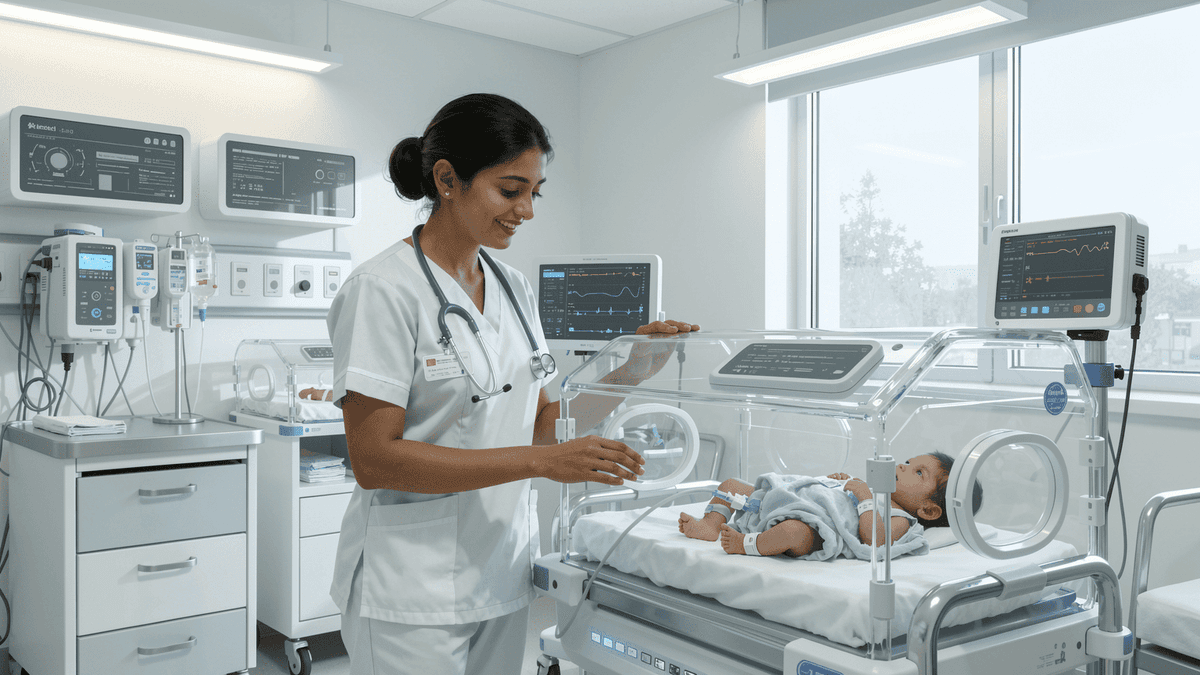
NICU (Neonatal Intensive Care Unit) is designed for babies who need intensive medical care.
In this environment:
- Babies are closely monitored
- Advanced medical equipment is used
- A trained team provides round-the-clock care
This ensures that even the most delicate conditions are managed safely.
Role of Mothers During This Phase
Even when the baby is receiving specialized care, the mother’s role remains important.
Mothers can:
- Stay informed about the baby’s condition
- Participate in feeding when possible
- Provide emotional connection and bonding
This involvement supports both the baby’s recovery and the mother’s confidence.
Feeding Challenges and Support
Babies in special care may have difficulty feeding normally.
Support includes:
- Assisted feeding methods
- Gradual introduction to breastfeeding
- Guidance for mothers on milk expression
Proper feeding is an important part of recovery.
Emotional Impact on Parents
Seeing a newborn in special care can be stressful.
Parents may feel:
- Fear and uncertainty
- Anxiety about the baby’s health
- Emotional exhaustion
These feelings are normal and require support.
Importance of Medical Communication
Clear communication with the healthcare team helps parents to:
- Understand the baby’s condition
- Know the treatment plan
- Feel more involved and reassured
Asking questions and staying informed is important.
Recovery and Transition to Home
As the baby improves:
- Medical support is gradually reduced
- Feeding becomes easier
- The baby prepares for discharge
Doctors ensure the baby is stable before going home.
Care After Discharge
Even after leaving specialized care, follow-up is important.
Parents should:
- Attend regular checkups
- Monitor feeding and growth
- Watch for any unusual signs
Continued care supports long-term health.
Common Misconceptions
NICU means something is very serious.
Not always many babies need temporary support and recover well.
Parents cannot be involved.
Parents play an important role in care and bonding.
Recovery will take a long time.
Many babies recover quickly with proper care.
Conclusion
When a newborn requires extra care, it can be an emotional and uncertain time for parents. However, specialized care environments like NICU are designed to provide the highest level of support and monitoring to ensure the baby’s safety and recovery.
Understanding why this care is needed and how it works helps reduce fear and builds trust in the medical process. Even during this phase, the mother’s role remains important in bonding, feeding, and emotional support.
With proper medical care, guidance, and follow-up, many babies recover well and go on to grow normally. Staying informed, involved, and supported helps parents navigate this journey with strength and confidence.