Introduction
Pregnancy is a time of excitement, but it also comes with many questions about the baby’s health and development. Modern medicine allows doctors to monitor the baby even before birth through various screening methods.
The useful question is not Do I really need all these tests? The useful question is: how can these tests help detect potential concerns early and ensure a safe pregnancy?
Understanding prenatal screening helps parents feel informed and confident throughout the journey.
What is Prenatal Screening
Prenatal screening involves tests performed during pregnancy to assess the baby’s growth and detect possible health concerns.
These tests do not harm the baby and are designed to:
- Monitor development
- Identify risks early
- Guide further care if needed
They are an important part of modern pregnancy care.
Types of Prenatal Screening Tests
Prenatal tests are usually done at different stages of pregnancy:
First Trimester Screening
- Done in early pregnancy
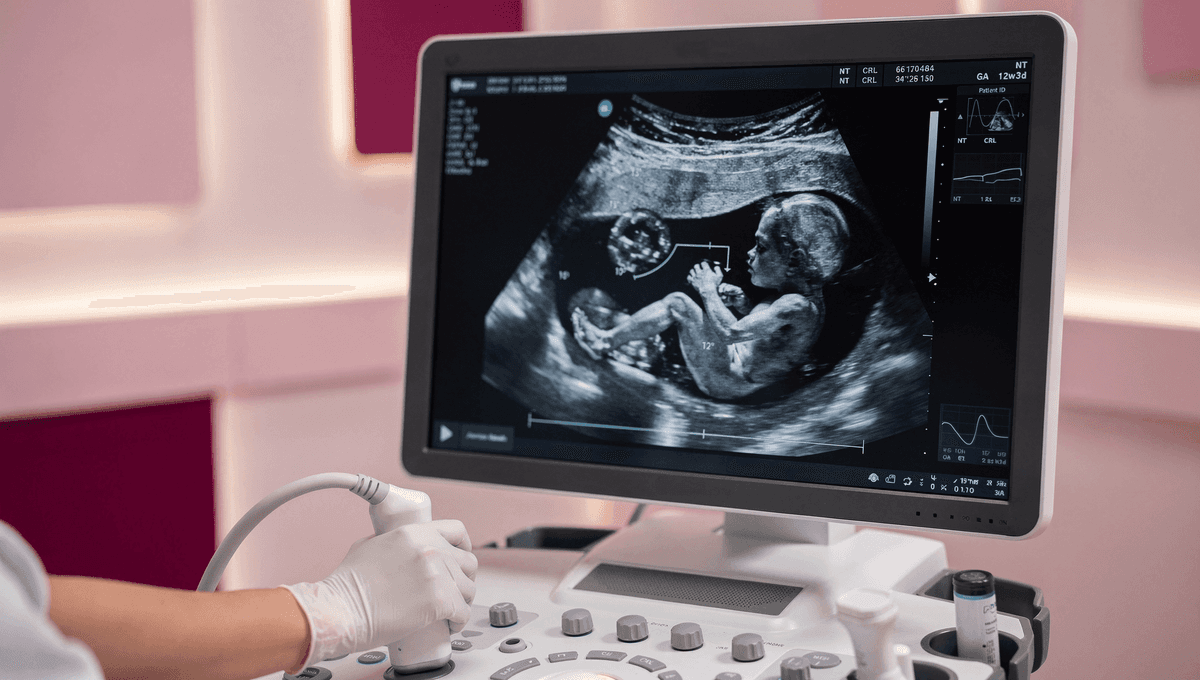
- Includes blood tests and ultrasound
- Helps assess the risk of certain conditions
Second Trimester Screening
- Additional blood tests
- Evaluates development and potential risks
Detailed Anomaly Scan
- Performed around mid-pregnancy
- Checks baby’s organs and structure
- Detects physical abnormalities
Role of Fetal Medicine
Fetal medicine focuses on the health of the baby during pregnancy.
It includes:
- Advanced ultrasound scans
- Monitoring high-risk pregnancies
- Managing complications before birth
This specialized care ensures better outcomes.
Why Early Detection Matters
Early detection helps to:
- Identify potential health issues
- Plan appropriate medical care
- Reduce complications
- Provide timely intervention if needed
It allows doctors and parents to make informed decisions.
Screening vs Diagnostic Tests
It is important to understand the difference:
- Screening tests: Indicate risk levels
- Diagnostic tests: Confirm conditions
Not all screenings lead to further testing only when necessary.
Who Needs Prenatal Screening
Prenatal screening is recommended for:
- All pregnant women (routine care)
- High-risk pregnancies
- Women with medical conditions
- Family history of genetic disorders
It is a standard part of pregnancy care.
What Happens If a Risk is Detected
If a screening shows a possible concern:
- Further tests may be advised
- Specialists may be involved
- Monitoring becomes more detailed
Early planning improves outcomes.
Common Misconceptions
Screening tests are risky for the baby.
Most screening tests are completely safe.
If one test is normal, no further tests are needed.
Different tests check different aspects.
Screening means something is wrong.
It only indicates risk, not a confirmed problem.
Emotional Support During Testing
Waiting for test results can be stressful.
It is important to:
- Stay calm and informed
- Discuss results with your doctor
- Avoid unnecessary worry
Support and guidance help reduce anxiety.
Conclusion
Prenatal screening is an essential part of modern pregnancy care, helping to monitor the baby’s development and detect potential concerns at an early stage. These tests provide valuable information that allows timely intervention and better planning for a healthy pregnancy.
Understanding the purpose of each test and the difference between screening and diagnostic procedures helps reduce confusion and fear. Rather than viewing these tests as a source of stress, they should be seen as tools that support the health and safety of both mother and baby.
With proper medical guidance and regular follow-ups, prenatal screening plays a key role in ensuring a smoother and safer pregnancy journey.