
Preeclampsia
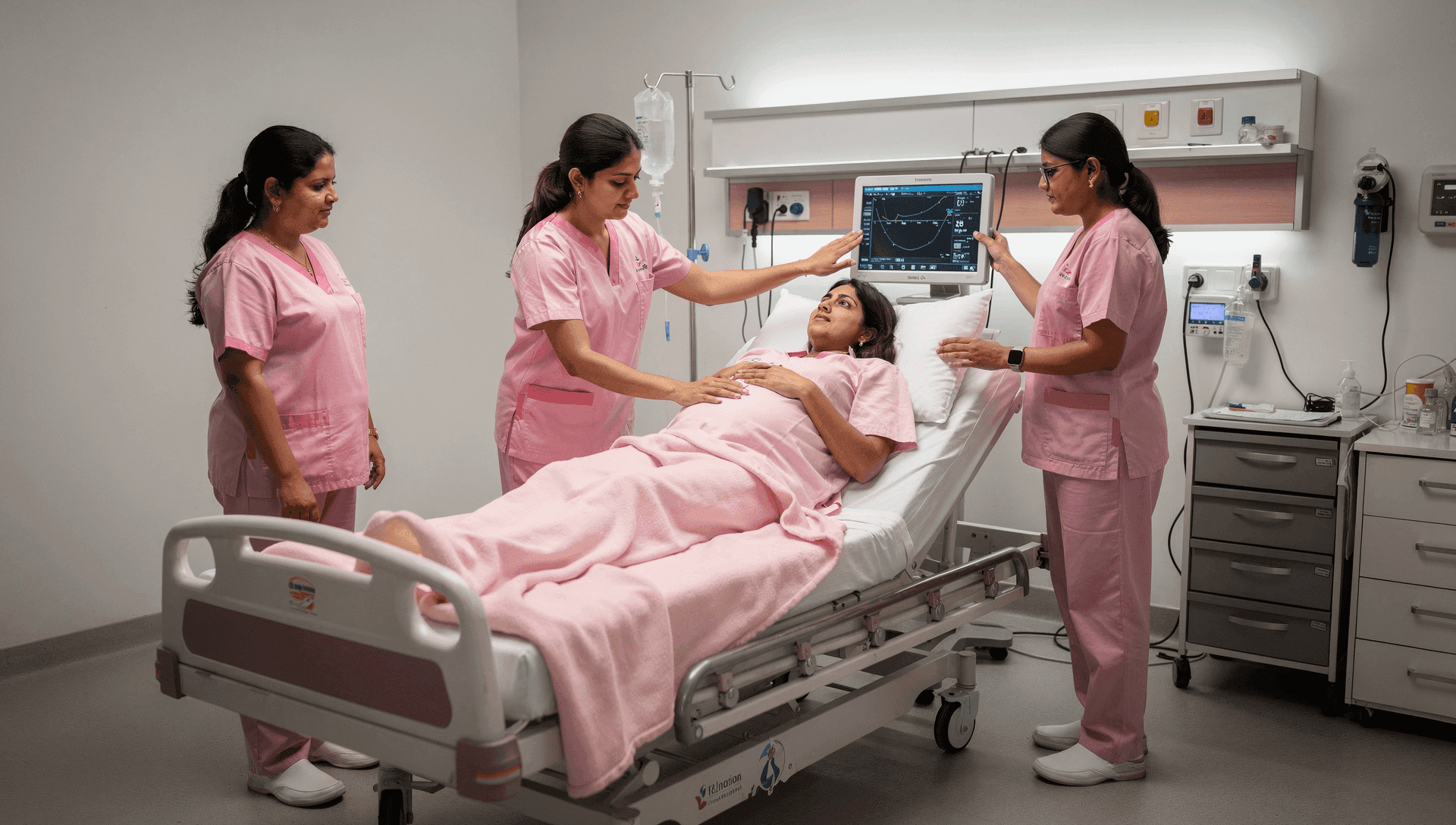
Monitoring high blood pressure in pregnancy

About Preeclampsia
Preeclampsia is a pregnancy-related condition characterized by high blood pressure and, in some cases, the presence of protein in the urine. It typically develops after 20 weeks of pregnancy and can affect both maternal and fetal health if not properly managed. Early detection and continuous monitoring are essential to prevent complications such as organ damage, restricted fetal growth, or preterm delivery. Management includes regular blood pressure checks, urine protein testing, lifestyle modifications, and medications when necessary to control symptoms. Our care approach focuses on early diagnosis, close observation, and timely medical intervention to ensure the safety and well-being of both mother and baby.
Our Fertility Specialists
Expert reproductive endocrinologists dedicated to helping you achieve parenthood.

Dr. Praggya Srivastava
Chief Consultant Obstetrician, Gynecologist & Laparoscopic Surgeon

Dr. A. Shalini
Consultant fetal medicine, Obstetrics and Gynaecology

Dr. Divya Eluri
Consultant Obstetrician & Gynecologist

Dr. Kale Dhana Laxmi
Gynaecology
Frequently Asked Questions
Find answers to common questions about our women care services and treatments.
When does preeclampsia occur?
It usually develops after 20 weeks of pregnancy.
What are common symptoms?
High BP, swelling, headaches, and vision problems.